
Exploring Material Performance and Fashion in Belt Design
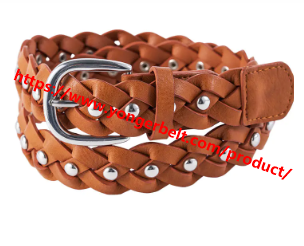
Clothing accessories often need to balance practical performance with personal style, and an Elastic Belt offers a flexible alternative to traditional straps made from less yielding materials. Its usefulness depends on how the textile body responds to movement, how the fastening system maintains a comfortable fit, and how the colors and finishes complement different outfits. For both consumers and product developers, examining these elements together provides a clearer understanding of what makes a belt suitable for everyday wear.
Material selection determines much of the belt's character. Polyester is frequently used in textile accessories because it supports varied colors, woven patterns, and a consistent surface appearance. Nylon can offer a smooth texture and flexibility, while cotton blends may provide a softer, more natural look. Elastic fibers introduce stretch into the construction, helping the strap adapt to movement. The final material combination should reflect the intended use, desired tactile quality, and visual direction of the product.
The way materials are combined can be just as important as the individual fibers. A woven textile structure can distribute color across the strap and create texture without relying on printed decoration. Some designs incorporate synthetic end pieces or leather-like accents to create a more defined finish. These combinations can give a casual belt a more polished appearance, but they also require attention to how different materials bend, wear, and respond to routine care.
When choosing a belt, shoppers should start with their clothing habits. A neutral design can work with jeans, chinos, casual trousers, or relaxed weekend outfits. A belt with contrasting colors may add interest to simple clothing, while a restrained pattern can fit more easily into a coordinated wardrobe. Buyers should also consider whether they prefer a soft textile appearance, a structured finish, or decorative details that make the accessory a focal point.
Elasticity is central to the wearing experience, but flexibility alone does not determine quality. The strap should stretch naturally during movement while continuing to provide dependable support. The balance depends on the elastic fibers, weaving structure, yarn tension, and overall construction. If the material stretches too easily or fails to recover its shape, the belt may become less comfortable or look uneven over time. Examining a sample during ordinary handling can help buyers assess its behavior.
The fastening system influences how easily the belt can be adjusted and worn. A traditional pin buckle offers a familiar appearance, while ring closures or alternative mechanisms can create a different style. Some woven designs allow the fastening to engage at various points in the textile structure, offering flexibility in adjustment. Whatever the closure, it should work naturally with the strap, remain secure during wear, and avoid creating unnecessary pressure or awkward bulk.
Attachment points require careful construction because they connect the flexible textile with more rigid hardware. Stitching, reinforced ends, folded material, and other finishing techniques can help keep these areas neat and functional. Poorly secured attachments or loose threads may affect the belt's appearance and usability. Buyers evaluating a finished product should inspect the transition between strap and buckle, paying attention to the consistency of stitching and the quality of the edge treatment.
Manufacturing methods influence how consistently a belt is produced. Material preparation, weaving, cutting, sewing, buckle installation, and final inspection all contribute to the finished accessory. Differences in yarn tension or alignment can change the surface appearance, while inconsistent stitching may affect both strength and presentation. For businesses ordering a coordinated collection, reviewing samples and agreeing on material and finishing expectations before production can help reduce unwanted variation between pieces.
Comfort depends on more than the strap's ability to stretch. The belt should sit naturally with the wearer's clothing and allow ordinary movements such as sitting, walking, and bending. A buckle with smooth edges can help avoid discomfort, while a well-finished textile surface is less likely to snag delicate fabrics. The belt should also be easy to fasten and release, since complicated adjustment can reduce convenience even when the material itself feels comfortable.
Maintenance is another useful factor in product selection. Textile surfaces may collect dust or lint, and certain materials can be sensitive to moisture or unsuitable cleaning products. Decorative coatings, synthetic end pieces, and metal buckles may require different care. Buyers should follow the manufacturer's instructions and consider whether the belt fits their normal wardrobe maintenance routine. A practical design should remain easy to look after without compromising its texture or finish.
Appearance offers considerable scope for product differentiation. Solid colors can create a clean, versatile look, while stripes, woven motifs, contrasting threads, and decorative end details can make a belt more distinctive. Buckle shape and finish also influence the overall impression, helping a product feel classic, sporty, casual, or contemporary. For brands, coordinated colors, labels, and packaging can strengthen visual identity while allowing the textile construction to remain the central design feature.
Yiwu Yonger Belt Co., Ltd. develops fashion belts and webbing styles, with customization services for businesses seeking products suited to specific market needs. The company's website describes a process that includes discussing requirements, reviewing drawings or samples, confirming prototypes, arranging production, and inspecting finished products. This approach can help brands coordinate material choices, fastening details, colors, and presentation when developing a new accessory collection. Further information about the company's products and services is available at https://www.yongerbelt.com/

 English
 Arabic
 French
 Spanish
 Portuguese
 Deutsch
 Turkish
 Dutch
Dutch
 Russian
 Romaian
 Portuguese (Brazil)
 Greek
Greek
