
Transform Your Yard with Lawn Aeration and Seeding for a Healthier, Greener Lawn
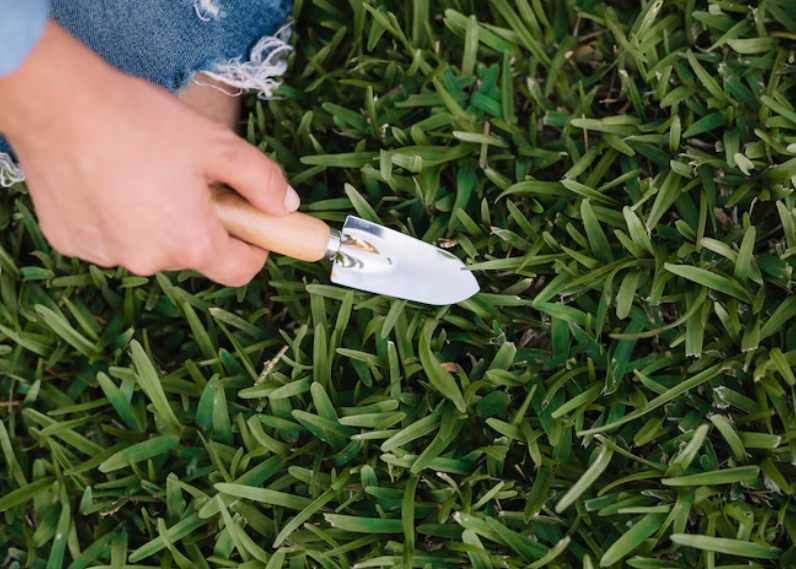
A beautiful, green lawn can improve the appearance of any property while creating a comfortable outdoor space for relaxation, family activities, and entertaining guests. However, maintaining healthy grass requires more than regular mowing and watering. Over time, soil can become compacted, grass may grow thin, and weeds can begin to take over areas where turf is weak. Two effective lawn care practices that address these problems are lawn aeration and seeding. When performed correctly, these services can help improve soil conditions, encourage new grass growth, and create a thicker, more attractive lawn.
Understanding the importance of proper lawn maintenance helps homeowners make informed decisions about caring for their yards. Combining aeration with overseeding can support stronger root development, improve access to essential nutrients, and help grass recover from seasonal stress.
Understanding the Importance of Lawn Aeration
Healthy grass depends on suitable soil conditions, adequate moisture, sunlight, and access to nutrients. When soil becomes compacted, grass roots may struggle to grow deeply and absorb the resources they need. Compaction commonly develops in areas with heavy foot traffic, frequent outdoor activities, or dense clay soil.
Lawn aeration is a lawn care technique that reduces soil compaction by creating openings in the ground. These openings allow air, water, and nutrients to move more effectively through the soil and reach the root zone. As a result, grass can develop a stronger root system and become better equipped to withstand ordinary environmental stress.
Professional aeration services often use specialized equipment to remove small plugs of soil from the lawn. This process is known as core aeration and is widely used because it physically relieves compaction rather than simply creating shallow holes.
What Is Lawn Core Aeration?
Lawn core aeration is a process that removes small cylindrical plugs of soil from the ground. These plugs are usually left on the lawn to break down naturally, returning organic matter to the soil surface. The openings created by the equipment provide additional space for roots to grow and help improve the movement of water and nutrients.
Unlike basic spike aeration, which pushes soil aside, core aeration removes portions of compacted soil. This makes it particularly useful for lawns that experience significant foot traffic or have soil that has become hard over time.
Regular lawn core aeration can help improve the overall growing environment for grass. It may also reduce the tendency for water to collect on the surface when compaction contributes to poor infiltration. Although aeration cannot solve every drainage problem, it is an important part of maintaining suitable soil conditions.
Homeowners should consider the lawn's condition, soil type, and grass variety when deciding how frequently to schedule this service. Aeration is generally most effective when the grass is actively growing and can recover quickly after treatment.
Why Lawn Aeration and Seeding Work Well Together
Aeration and seeding address different aspects of lawn health, making them an effective combination for many properties. Aeration improves the soil environment, while seeding introduces new grass plants to areas that have become thin, damaged, or bare.
During lawn aeration and seeding, the lawn is aerated to create openings in the soil before grass seed is distributed. The openings provide favorable locations for some seeds to settle, although proper seed placement and soil contact remain important for successful germination.
This combination can help fill empty spaces, improve turf density, and create a more consistent appearance across the yard. A thicker lawn may also compete more effectively with weeds by reducing the amount of exposed soil available for unwanted plants to establish.
The success of lawn aeration and seeding depends on several factors, including seed quality, soil preparation, moisture, temperature, and aftercare. Choosing an appropriate grass variety for the local climate and the amount of sunlight the lawn receives is especially important.
Signs Your Lawn Needs Aeration and Seeding
Recognizing lawn problems early can help prevent small concerns from becoming more difficult to manage. Several signs indicate that a yard may benefit from aeration and overseeding.
One common sign is compacted soil. If the ground feels unusually hard or water struggles to penetrate the surface, aeration may help improve soil conditions. Compaction can limit root development and make it harder for grass to obtain sufficient moisture.
Thin or patchy grass is another indication that seeding may be necessary. Areas that receive heavy use can gradually lose turf coverage, leaving exposed soil where weeds can grow. Introducing new grass seed can help restore these sections when growing conditions are suitable.
Excessive thatch may also affect lawn health. Thatch is a layer of living and dead plant material that accumulates between the soil and grass blades. A thin layer can be beneficial, but excessive thatch may interfere with water movement and seed establishment. Depending on the lawn's condition, dethatching may be needed in addition to aeration and seeding.
Other warning signs include shallow roots, uneven growth, and grass that struggles to recover after ordinary seasonal stress. A lawn care professional can assess these conditions and recommend an appropriate treatment plan.
Choosing the Right Time for Lawn Care
Timing plays a major role in the success of aeration and seeding. Grass generally establishes best when temperatures and moisture levels support active growth. The ideal season depends on the grass variety growing in the yard.
Cool-season grasses, such as Kentucky bluegrass, perennial ryegrass, and tall fescue, are commonly aerated and seeded during early fall. Cooler air temperatures and warm soil often provide favorable conditions for seed germination and root development. Early spring can also be suitable in some situations.
Warm-season grasses, including Bermuda grass and zoysia grass, generally benefit from aeration during late spring or early summer when they are actively growing. Seeding requirements vary by variety, so homeowners should select the appropriate grass and follow recommended planting practices.
Avoiding extreme heat, drought, and excessively wet soil can improve results. Soil that is too dry may be difficult to aerate, while saturated soil can become damaged by heavy equipment. Selecting the right time allows grass to recover and establish more effectively.
How to Prepare Your Lawn for Treatment
Proper preparation helps aeration and seeding produce better results. Before the scheduled service, homeowners should remove toys, furniture, branches, and other objects from the lawn. Clearing the area allows equipment to operate efficiently and reduces the risk of damage.
Mowing the grass to a suitable height can make it easier to distribute seed evenly. However, grass should not be cut excessively short, because this can place unnecessary stress on the turf.
Watering the lawn before aeration may help soften the soil if it is dry. The ground should be moist enough for equipment to penetrate but not so wet that it becomes muddy. Following the service provider's preparation instructions is the best approach.
It is also helpful to identify underground irrigation lines, sprinkler heads, and other buried features before equipment is used. Taking these precautions supports a smoother process and helps protect the property.
Caring for Your Lawn After Aeration and Seeding
Aftercare is essential for encouraging healthy grass growth. Newly distributed seeds need consistent moisture to germinate and establish roots. Homeowners should follow a watering schedule that keeps the upper soil layer appropriately moist without creating standing water.
Frequent, light watering is often useful during the initial germination period. As grass seedlings develop, watering can gradually become less frequent and deeper to encourage stronger root growth. Adjustments should be made according to rainfall, soil conditions, and local weather.
Avoid heavy foot traffic on newly seeded areas until the grass has become established. Excessive activity can disturb seeds, damage young seedlings, and compact the soil again.
Mowing should wait until the new grass reaches an appropriate height for the selected variety. Sharp mower blades help prevent seedlings from being pulled out of the ground. Fertilizer may also be beneficial, but the type and timing should be based on soil conditions, seed requirements, and local recommendations.
The soil plugs left after lawn core aeration can usually remain on the surface. They gradually break apart through weather and normal lawn activity, returning soil material to the turf.
Long-Term Benefits of Consistent Lawn Maintenance
Aeration and seeding are valuable components of a broader lawn care strategy. When combined with appropriate mowing, watering, fertilization, and weed management, these practices can help maintain a thicker and healthier lawn over time.
Regularly evaluating the yard makes it easier to identify compaction, thinning grass, and other developing problems. Addressing these concerns early can reduce the likelihood of extensive lawn renovation later.
The benefits of lawn aeration and seeding may become more noticeable as new grass establishes and the existing turf continues to grow. Meanwhile, periodic lawn core aeration can help maintain favorable soil conditions, especially in areas that experience repeated foot traffic.
Every lawn has different needs, so treatment frequency should depend on soil type, grass variety, usage, and overall condition rather than following the same schedule every year.
Conclusion
Maintaining a lush, green lawn requires attention to both the grass and the soil beneath it. Compaction, thinning turf, and poor growing conditions can prevent grass from reaching its full potential. Lawn aeration and seeding provide a practical way to improve soil conditions while introducing new grass to areas that need additional coverage.
By incorporating lawn core aeration into an appropriate maintenance schedule, homeowners can help relieve soil compaction and create better conditions for root development. Combining these services with proper watering, suitable seed selection, and consistent aftercare can support a thicker, healthier, and more attractive yard.
With the right approach and attention to seasonal growing conditions, homeowners can protect their investment in their outdoor spaces and enjoy a lawn that remains inviting throughout the growing season.

 English
 Arabic
 French
 Spanish
 Portuguese
 Deutsch
 Turkish
 Dutch
Dutch
 Italiano
 Russian
 Romaian
 Greek
Greek
